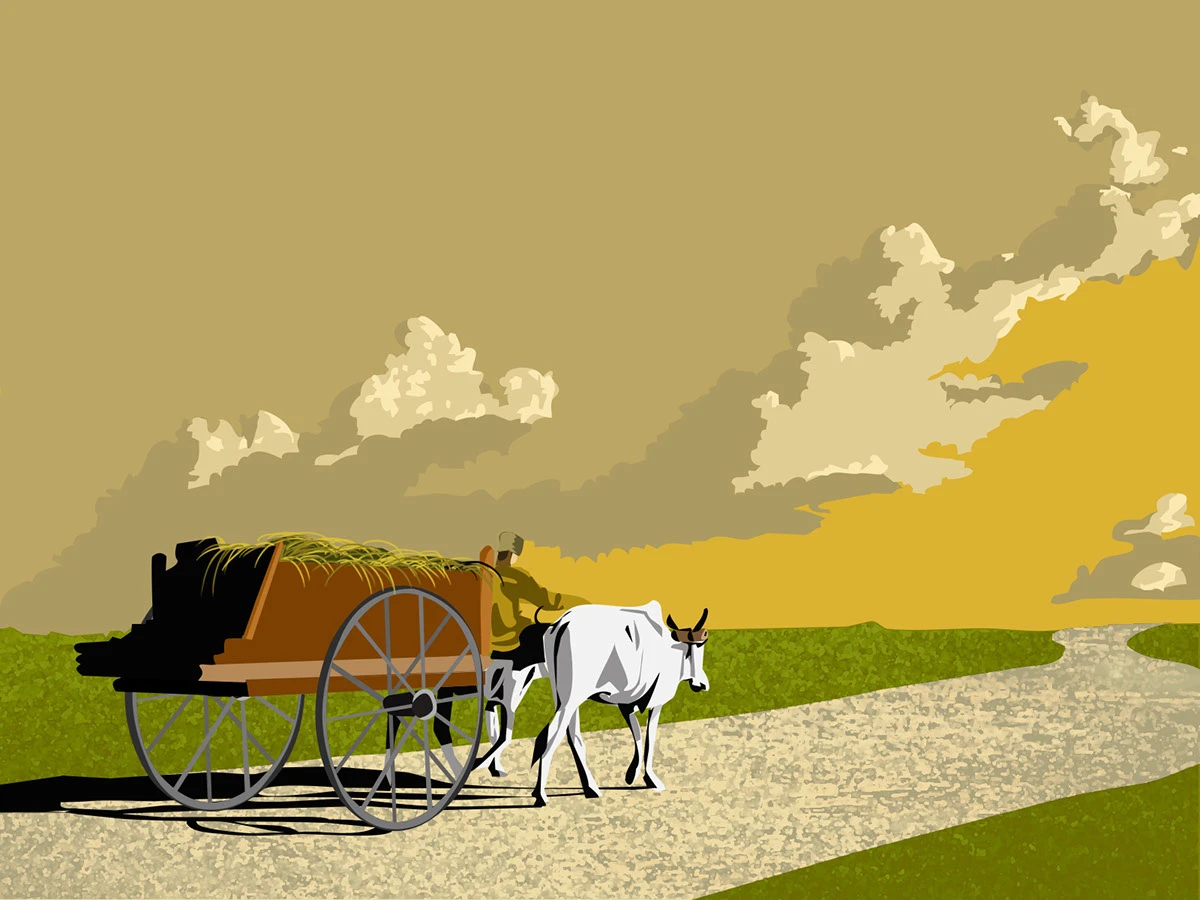
Designing Financial Trust for the Indian Farmer.
In rural India, trust is binary it takes years to build and seconds to break. For 50,000+ farmers using Fasal, our IoT platform wasn't just a gadget; it was the brain of their farm. But there was a silent trust-killer buried in our UX: The Shared Wallet.
Imagine a bank account that automatically deducts money every day, but refuses to tell you what for. That was the reality for our users. Farmers were seeing their balances drain for devices sitting in warehouses or on fallow land. They felt robbed.
I was tasked not just to fix a billing UI, but to stop a crisis of confidence that was pushing our most loyal farmers to leave.
01Discover & Define
The project didn't start with a design brief; it started with a data anomaly. Our Customer Success (CS) and Sales teams were reporting a sharp rise in friction during renewals.
40%
High Ticket Volume
of all high-priority tickets were billing-related disputes.
Top complaint
The Vanishing Money Myth
The word 'deduction' led every complaint log. Farmers felt money was vanishing, and Fasal had no answer for it.
3x
Churn Correlation
Users who faced an unexpected deduction were 3x more likely to churn than users with hardware issues.
02Research Methodology
To understand the root cause, I moved from data to empathy, conducting a mix of internal and external research.
Method
Audience
Goal
Head of Sales, CS
Lead, Accounts Team
Understand the operational burden of the current Invoicing model.
12 Farmers (varying farm sizes)
Decode the mental model of Payment and Validity in rural businesses.
50+ Closed Support Tickets
Analyze the specific language users used when complaining about billing.
03Key Insights & Mental Models
The research revealed a fundamental mismatch between our System Architecture and the User's Mental Model.
The Shared Wallet Fallacy
What we found: Fasal used a 'Common Pool' wallet that automatically deducted fees for all connected devices daily.
Why it mattered: Farmers operate seasonally. They want to pay for active crops and pause fallow land. The shared pool forced them to pay for everything simultaneously or risk losing connections.
The Prepaid SIM Model
What we found: Farmers are comfortable with complex payments if it matches the Telecom Model (like Jio/Airtel).
Why it mattered: They understand 'Validity' (Days Left) much better than an abstract 'Balance' (Currency Left). They want to 'Recharge' specific devices for a specific time.
The Trust Deficit
What we found: The existing app showed a 'Current Balance' but zero history of how it was consumed.
Why it mattered: Without a visible ledger (Passbook), every automated deduction felt like theft. Without transparency and auditability, there is no financial trust.
04The Strategy
Invoices & Shared Pools
Mental model built for corporate finance. Money exists in abstract pools; deductions happen globally.
Validity & SIM Cards
Mental model built for Prepaid SIMs. Each device is an asset with its own "recharge" and life cycle.
To bridge this gap, we tore down the legacy financial architecture and rebuilt it around three pillars that reflect the user's natural language.
Per-Device Billing & Seasonality
Moving from a Shared Wallet to Asset-Level Billing allowed farmers to pause specific devices during off-seasons.
Radical Transparency
Every rupee deducted has a visible digital paper trail. Eliminating "hidden math" turned skepticism into confidence.
Forgiveness
The system handles hardware failures gracefully. We stop punishing the user for technical constraints beyond their control.
05Design Goals
GRANULARITY
Per-Device Control
Enable Pause / Resume management at the individual asset level, not the entire account.
TRANSPARENCY
Full Rupee Visibility
100% visibility into every deduction. The Passbook feature gives farmers a verifiable paper trail.
REVENUE PROTECTION
Grace Period Design
Reduce involuntary churn by designing better Low Balance alerts and soft Grace Period states.
BACKEND MIGRATION
Wallet → Subscription
A massive DB migration was required. The UI had to gracefully handle both Legacy and New user states simultaneously.
HARDWARE DEPENDENCY
Device Expiry Chain
If a Main Unit expires, connected Sensor Nodes go silent. Billing logic had to respect this hardware hierarchy.
OFFLINE-FIRST
No Infinite Spinners
Payments happen in low-network areas. The UI needed robust Pending / Processing states that never left farmers confused.
06Design Process
DISCOVERY
Discover & Define
Analyzed quantitative signals and conducted farmer interviews to map billing pain points and mental models.
STRATEGY
Strategy & Architecture
Designed the shift from a shared wallet to a device-specific subscription model with state machines for edge cases.
EXECUTION
Prototyping & Testing
Built high-fidelity flows and ran Useberry usability tests with 12 farmers to validate transparency features.
REFINEMENT
Solution & Impact
Shipped the Passbook, Grace Period logic, and Admin Panel, reducing billing support tickets by 80%.
07The Architecture: Designing for the Unhappy Path
Before opening Figma, I needed to solve the architectural constraints. The shift from Wallet to Device-Level Billing wasn't just a UI change; it was a logic overhaul. I used pen and paper sketches to map out the State Machines for critical scenarios.
Fasal's IoT ecosystem is hierarchical. A Farm has a Main Unit (Gateway) and connected Sensor Nodes.
- 01Solving the Dependency Chain: Our hardware is hierarchical. Parent Units connect to Child Nodes. If a parent expires, the children go silent. A lazy design would just block everything. Instead, we designed Graceful Degradation. We created a logic flow that pauses dependent nodes but keeps the account active, turning a confusing Hardware Failure into a clear Billing Notification.
- 02The Mathematics of Trust: Mid-cycle upgrades (swapping a Standard device for Premium) used to create Hidden Fee anxiety. We visualized this simply as a Bridge View showing the user exactly how their ₹2,000 credit converted into 36 days of the new plan. No hidden math, no surprises.
- 03The Seasonality Switch (Voluntary Pause): Farming isn't continuous; land often goes fallow for months. The old 'Shared Wallet' forced farmers to pay for sensors on empty fields. I designed a 'Voluntary Pause' workflow that respects the crop cycle. When a user toggles 'Pause' on a specific device, the system immediately stops the daily billing deduction. The device enters a 'Grey State' (Hibernation). This visually confirms to the farmer that Cost = 0, building trust that Fasal isn't 'eating' their money during off-seasons.
System Logic
Financial Logic
User Logic
Gateway subscription expired
Signal lost to connected sensors
Sensor paused
Existing credit value
Divide by new daily rate
Transparent validity days calculated
User taps pause button
Device enters seasonal mode
Billing stopped
Graceful degradation across all three logic layers
08The Reality Check: Testing with 12 Farmers
We tested in two ways: on-site visits to farms where we sat with farmers and watched them use the prototype in person, and remote sessions over Useberry for farmers we couldn't reach in the field. Both groups got the same critical task: find the expired device and recharge it.
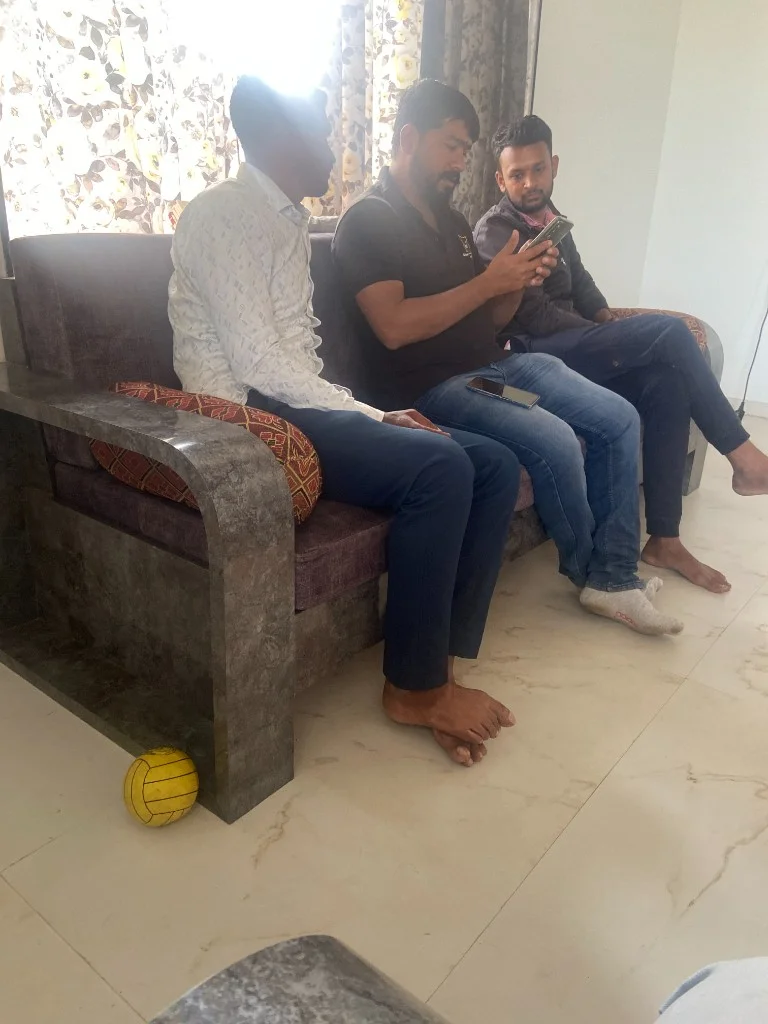 Testing Session
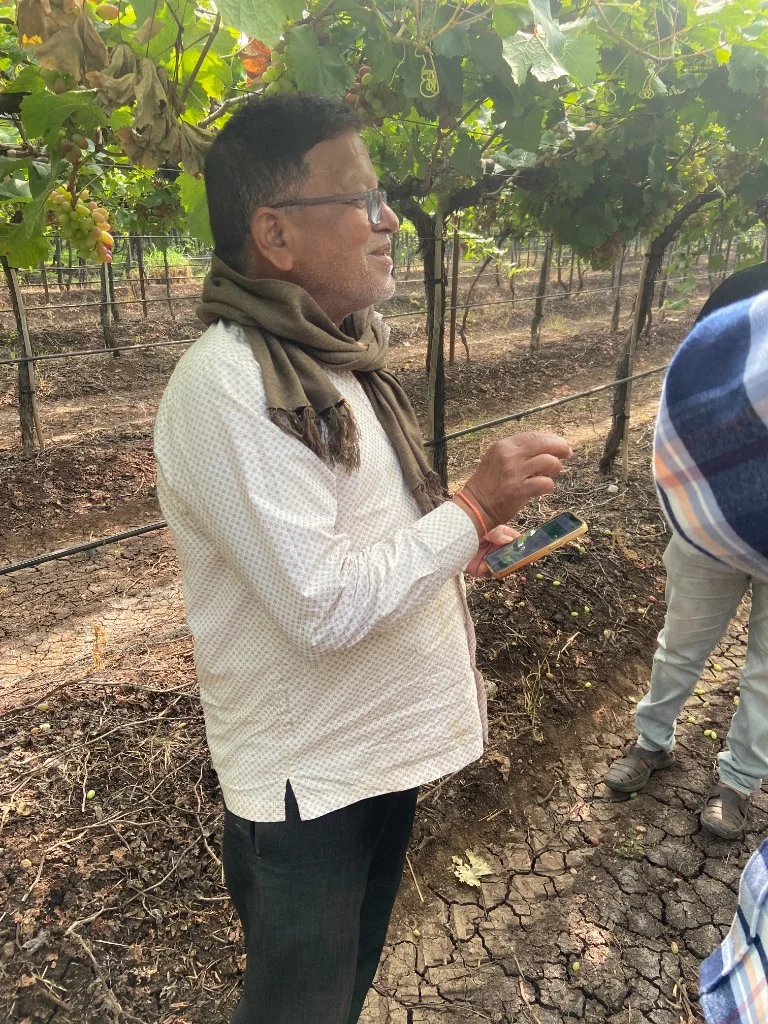 Farmer in Vineyard
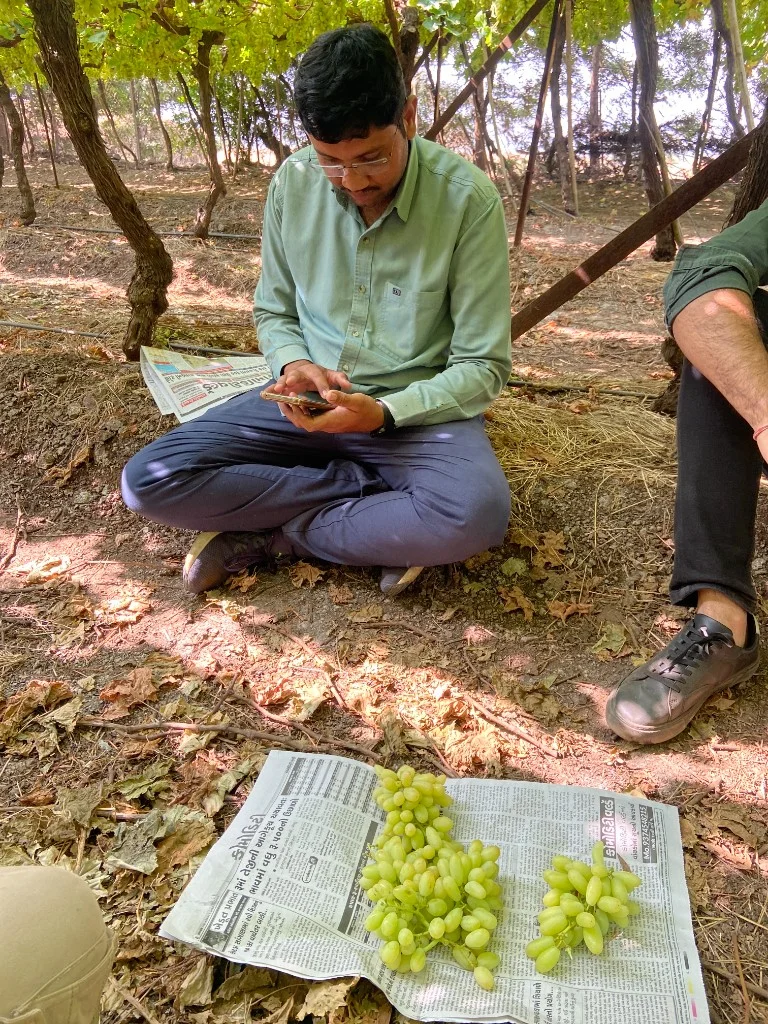 On-Site WalkthroughTesting SessionFarmer in VineyardOn-Site Walkthrough
THE WIN
Visual Urgency Works
Heatmaps confirmed our Traffic Light theory. Users ignored the dates and immediately navigated to the Red Progress Bar (< 30 Days). The color coding worked instantly across all literacy levels.
THE FAIL
The Season Trap
We hit a friction point. We had labeled plans as 'Season Packs' (thinking of crop cycles). Farmers paused. They looked for specific numbers. 'Season' was too vague.
THE PIVOT
Explicit Durations
We renamed every pack to explicit durations (90 Days / 180 Days / 365 Days).
THE RESULT
Immediate Improvement
Farmers stopped hesitating. Selection speed improved from the first session. Explicit durations beat evocative labels every time.
09The Control Center: Giving Power Back to the Farmer
We replaced the generic list view with Asset Cards: one card per device, each showing a Days Remaining progress bar. A farmer with 50 devices can scan the entire screen in seconds and know exactly what needs attention.
Farmers can voluntarily pause any device during the off-season. The grey state visually confirms that Fasal isn't deducting anything from their account, which was the core trust problem we set out to fix. When the season starts again, one tap brings the device back online.
- 01Green: Safe. More than 30 days remaining.
- 02Red: Act now. Under 30 days left.
- 03Grey: Paused. Billing stopped, device in hibernation.
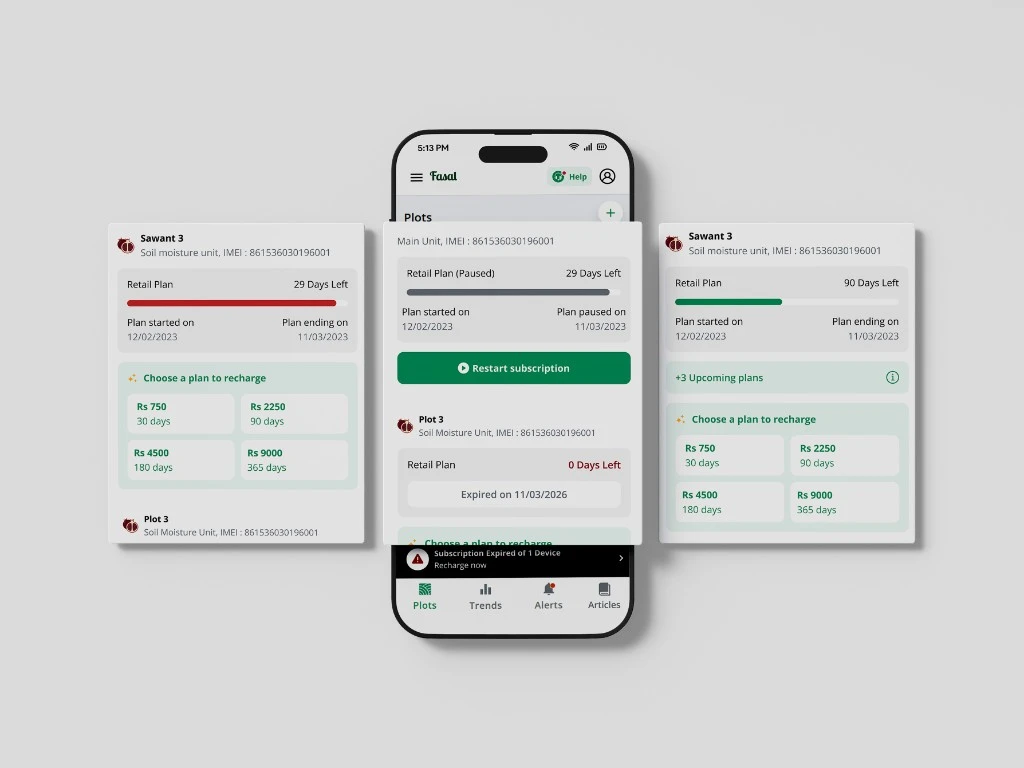
Asset card states: expired, paused, and active
10The Passbook Moment: Building Trust Through Data
We replaced the ambiguous 'Wallet Balance' with a full Transaction Ledger. Every credit, debit, adjustment, and bonus is tagged and timestamped. A farmer who asks 'Where did my money go?' now has the answer in their hand.
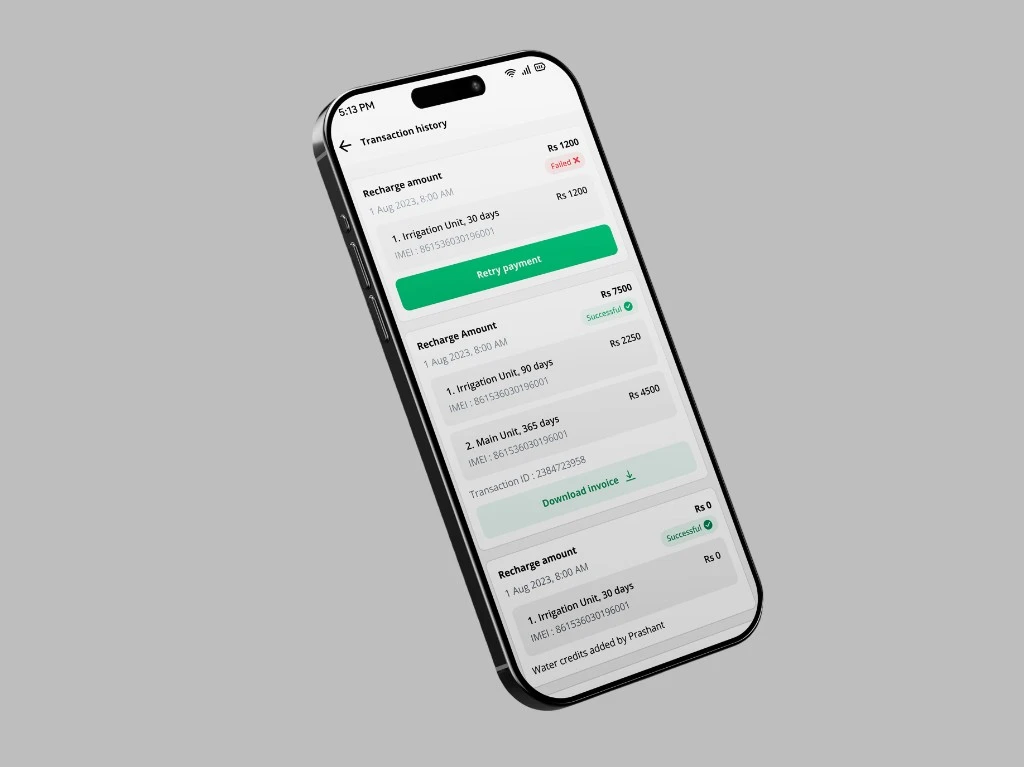
Transaction history: every deduction tagged, timestamped, and auditable
11Resilience: When the Network Breaks
- 01The Panic of Payment Failures: In rural India, network connectivity is spotty. A payment often leaves the bank but doesn't reach us immediately. A generic 'Failed' screen causes panic.
- 02The 'Processing' Buffer (Status 100): If a payment is authorized but not captured, we don't say 'Failed'. We show a Processing state, reassuring the farmer their money is safe while the system retries in the background.
- 03The Grace Period: We moved away from Hard Blocks. Even if a subscription expires, we keep the data visible for a short window. This prevents involuntary churn and treats the user with dignity rather than locking them out immediately.
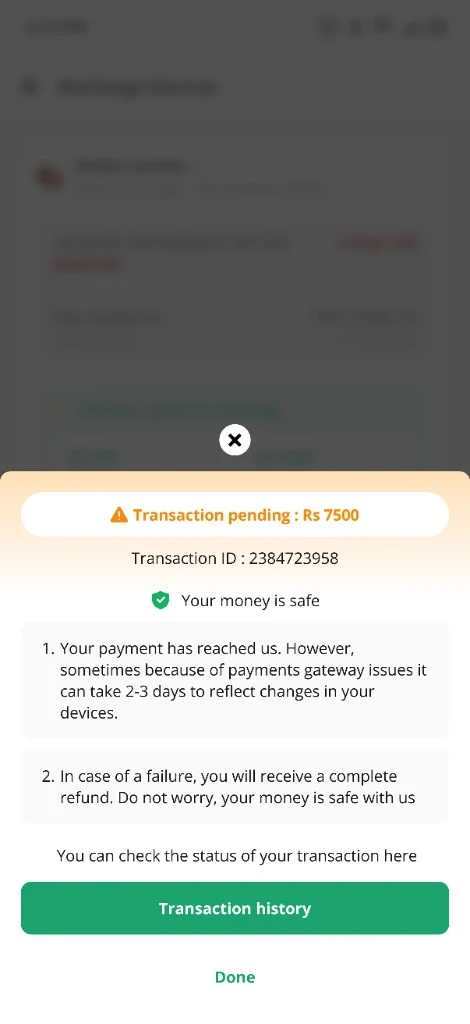 Transaction Pending
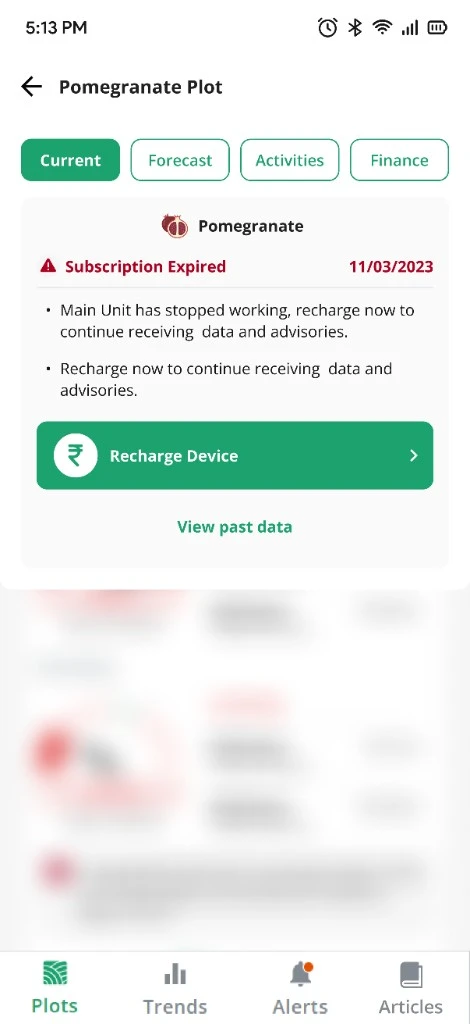 Subscription Expired
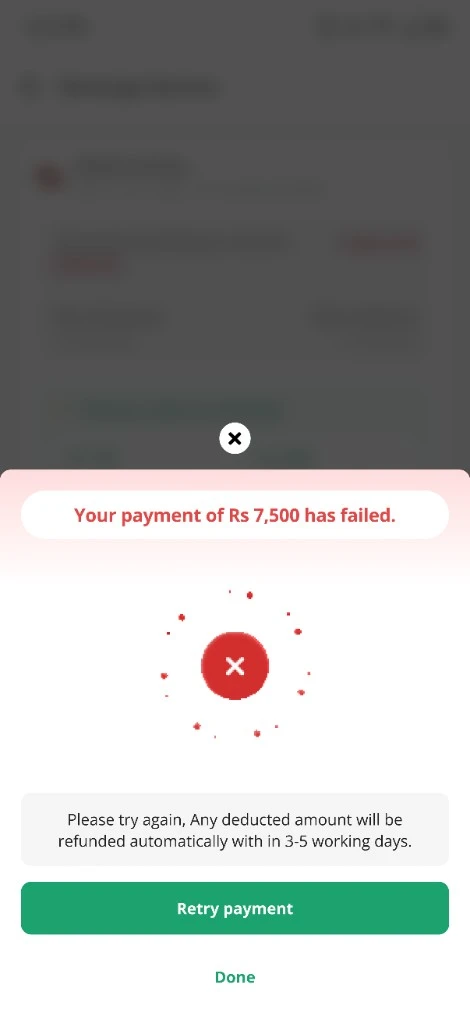 Payment Failed
12View Design File
Every state documented: from expired devices to mid-cycle upgrades.
Open in Figma13The Business Impact
80%
Support Ticket Reduction
The Passbook and Device-Specific Status cards let farmers self-diagnose deductions. The primary source of confusion ('Where did my money go?') was eliminated.
100%
Revenue Recognition Accuracy
Moved from estimating revenue on wallet balances to tracking exact subscription days. Every rupee is now correctly classified as deferred or recognised.
Churn
Involuntary Exits Reduced
Renewal nudges at 15, 7, and 3 days remaining, plus a soft Grace Period instead of a hard block, reduced churn caused by accidental expiry.
14Future Scope
- 01Coupons & Upselling: Introducing Vouchers and Referral Credits directly into the checkout flow to boost Average Revenue Per User (ARPU).
- 02Automated Wallet Refunds: Streamline Water Credit refunds end-to-end so farmers get their money back without a support call.
What This Project Taught Me
Trust is the UX: For a farmer, a billing dashboard isn't a utility; it's a financial statement. Radical transparency is the only way to build trust in B2B.
Design is Business Logic: The Happy Path is easy. The real value of a Senior Designer lies in the edge cases: payment failures mid-harvest, hardware dependency chains, and financial math that farmers shouldn't have to see.